A short introduction to the journal’s Editorial Board, highlighting their academic roles and contributions to ensuring the quality and integrity of published research.


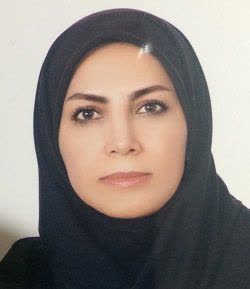

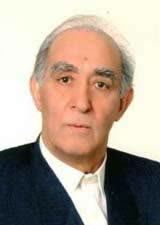


Dr, Mostafa Moalemi is a faculty member of Mazandaran University of Medical Sciences with the rank of Associate Professor. He have been a faculty member for 18 years. During these 18 years, He has published more than 60 scientific and research articles in reputable domestic and foreign journals, which have been in the fields of the history of medicine in the Islamic world, the history of Islam in Iran, the history of Shiism, and translation studies. He was responsible for managing the educational groups of History, Wisdom, and Philosophy, and the History of Medical Sciences, and he is currently the director of the History of Medical Sciences Department at Mazandaran University of Medical Sciences. He has also been assigned the position of Research Deputy of the Center for the Development of Interdisciplinary Research in Health Sciences and Islamic Education, and he is a member of the Board of Trustees of the Islamic Azad University of Mazandaran Province.
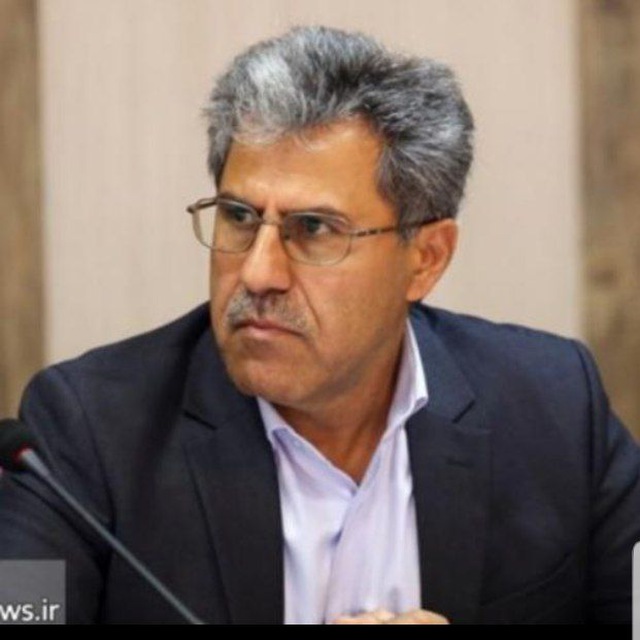




His research covers two main areas:
Organizational Studies: Organizational research focuses on the interrelation of (formal and informal) organizational structures and the behavior of its members. But how (and when) can actors change organizational structures? And, how is their behavior influenced by them? To find the answers to these questions, we will mainly follow a theory-based quantitative empirical approach. So far, we have examined a variety of organizations, ranging from enterprises to hospitals, and from soccer clubs to universities. The leading questions primarily focus upon special aspects of this interrelation such as knowledge transfer. In this case, it can also be shown, that knowledge transfer between organization members and units highly depends on the formal and informal structures and action strategies and motivation of its members and are mutually dependent.
Higher Education Research: Universities as knowledge-intensive organizations are predisposed to be scrutinized from an organizational perspective. However, there are two types of organization members in this case: students and professors/academic staff. This allows for a wide range of topics, such as non-traditional students, the organizability of academic teaching and advanced scientific training. Using the example of academic teaching it can be shown that different organizational structures and forms of governance lead to different perceptions of the organizational environment among its members. Again, distinct strategies of action of the actors lead to different outputs in academic teaching.

Teresa Carvalho has a PhD in Social Sciences from the University of Aveiro, a MSc in Human Resources Management from the University of Minho and a degree in Sociology from the University of Coimbra. She is a Full Professor at the Department of Social, Political and Territorial Sciences, University of Aveiro, and is a senior researcher at CIPES (Center for Research in Higher Education Policies). She is also a member of the CIPES board and of the executive board of the Department of Social, Political and Territorial Sciences at the University of Aveiro. She is the director of the PhD program in Public Policies at the University of Aveiro.
Teresa Carvalho was a member of the ESA (European Sociological Association) Executive Committee as RN Council chair from 2017 to 2021. She was chair of the European Sociological Association Research Network on Professions (RN19), and a member of the executive board of the International Sociological Association Research Committee on Professional Groups (RC 52) in 2013-2015 and in 2015-2017. She is member of the Editorial Team of the scientific journals: Minerva, Professions and Professionalism and Tertiary Education and Management (TEAM). She was member, and coordinator, of several European and National research projects in the fields of New Public Management, Managerialism, the Sociology of Professions and gender studies.


He published 54 journal papers (36 indexed in Scopus, 32 indexed in Web of Science, and 12 are JCR (Q1:3, Q2:5, Q3:3, and Q4:1)); 49 in international academic journals in English and five in national journals. This includes nine Level 2 publications in Norway’s journal ranking system.